MindCare v6.0

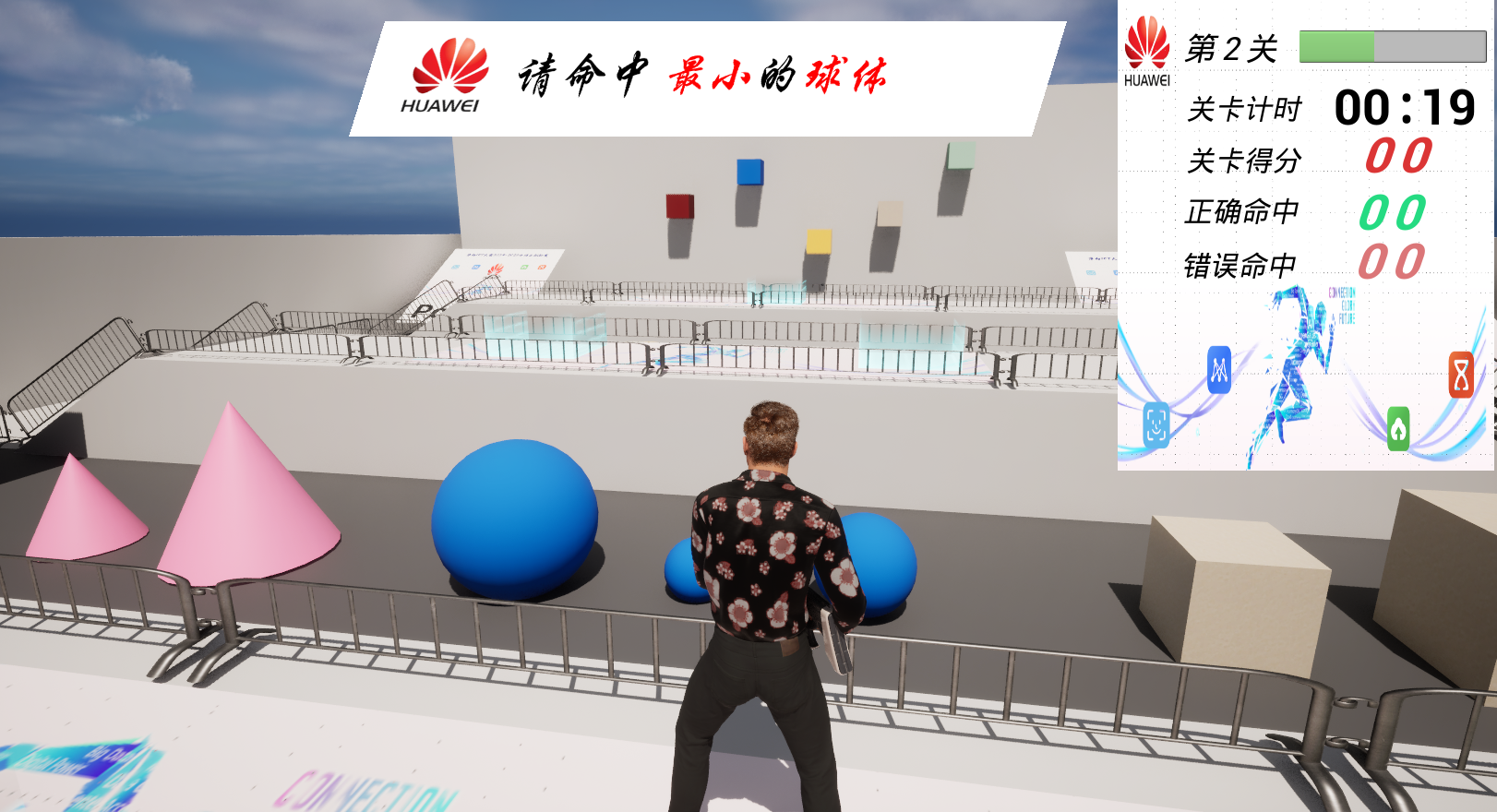
MindCare is an intelligent diagnosis system specifically focused on the mental health of teenagers. It integrates virtual reality and cloud technology to establish a local-cloud collaborative architecture. The front end conducts psychological assessments and collects multi-modal data from users. The “Lingyun Zhimedu” multi-modal large model developed by the cloud analyzes the data and generates personalized diagnosis reports, assisting experts during the diagnosis process. It also takes into account scientificity and privacy protection, and is applicable in educational and medical scenarios.


I am an undergraduate student majoring in Computer Science at Dalian University of Technology. My research interests focus on Embodied AI and Vision-Language-Action (VLA) models, with the core goal of improving the robustness and zero-shot generalization of robots in complex environments.
My recent research focuses on enhancing model generalization. I developed a self-supervised prompt learning framework to bolster the visual robustness of VLA models (submitted to NeurIPS 2026). Additionally, I proposed MGTSM, a meta-learning framework for Open-Vocabulary Pedestrian Attribute Recognition (OVPAR) that effectively bridges the gap between seen and unseen categories (under review at IEEE TMM). I also held an Algorithm Internship at SDIC Intelligence, where I conducted research on multimodal deepfake detection and improved the system’s ability to detect cross-modal inconsistencies in synthetic media.
Currently, as a Research Intern at the College of AI, Tsinghua University, I am exploring the application of World Models in human sequence prediction and building an effective embodied data generation system to support downstream imitation learning and policy training. In parallel, as an Algorithm Intern at Apex Intelligence, I work on Auto Research agents and evaluation benchmarks, with a long-term interest in self-evolving models and ASI.
In the future, I hope to develop reproducible and scalable methods to continuously enhance the reliability and generalization of VLA models in real-world settings.